"Post-Traumatic Stress Disorder and Vicarious Trauma”
Post-traumatic stress (PTSD) and Vicarious Trauma (VT) have a lot in common when it comes to their symptoms. Both PTSD and VT can lead to emotional, cognitive, physical and spiritual problems including, but not limited to: a sudden flood of emotions, depression, memory lapse, chronic pain, anxiety, fearfulness, hostility, social withdrawal, obsessions with death, gastroenteritis problems, argumentativeness, cancer, acts of desperation, attention deficit, panic attacks, etc.
Post-traumatic stress occurs when a person experiences an event or events considered to be outside of the range of normal human experience. Many of these “beyond-normal” events are the violent experiences that our military personnel have endured and witnessed as in Iraq and Afghanistan. These men and women are suffering from primary trauma.The professionals who help these soldiers, are at risk of contracting VT, or as we call it, Second-Hand Shock™. (Other terms Secondary trauma or Compassion Fatigue) Vicarious Trauma is a form of trauma that takes hold when a helping professional is utilizing controlled empathy while listening to stories with traumatic content. This combination is very taxing on the entire body, starting in the brain where fight-or-flight chemicals are released. This chemical release starts a chain of bio-chemical events that ratchets up the body’s stress response. Professional helpers may experience this rise and fall of the body’s stress response many times in the course of one work day, and these chemical repetitions take their toll in a result that looks very much like PTSD.
When helpers work with trauma and disaster victims, they must be aware of the three major risk factors for VT:
Society needs to understand that the symptoms of Vicarious Trauma should be taken seriously. The mental health professionals, lawyers, teachers, judges, and others in helping professions should become more informed about Vicarious Trauma, its symptoms and treatments. They should speak with professionals who are trained to work with people suffering from VT. These helpers deserve attention and compassion in relation to this potentially dangerous illness.
What is Vicarious Trauma?
“How do you do this all day?” How many times have we as helping professionals been asked this question only to respond with a look on our faces that hardly represents our true feelings? Unless, of course, you are talking with another person who has walked a mile in your shoes – anyone who serves as a “good ear” - one who can empathize with your authentic response to that commonly asked question.
Vicarious Trauma is defined as a transformation in the helper’s inner sense of identity and existence that results from utilizing controlled empathy when listening to clients’ trauma-content narratives. In other words, Vicarious Trauma is what happens to your neurological (or cognitive), physical, psychological, emotional and spiritual health when you listen to traumatic stories day after day or respond to traumatic situations while having to control your reaction.
A transformation occurs to your inner-self as well as your perception of the world around you, that can cause serious impairment—depression, anxiety, addiction—and can put you at serious risk for complaints to your licensure board.
Every time we interact from a position of compassion, controlling our empathic response with clients, patients, friends, congregants, strangers or neighbors, we are putting ourselves at risk.
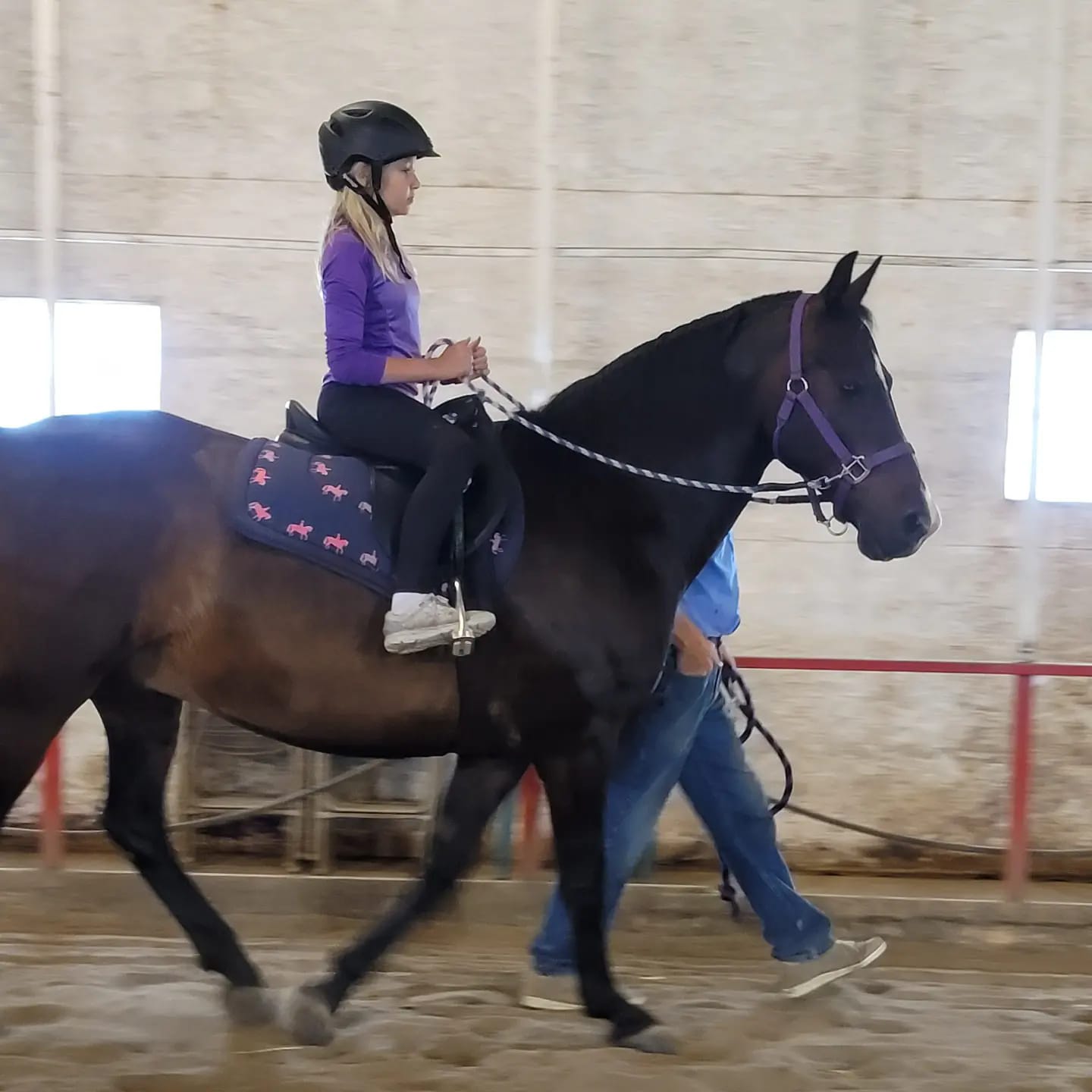
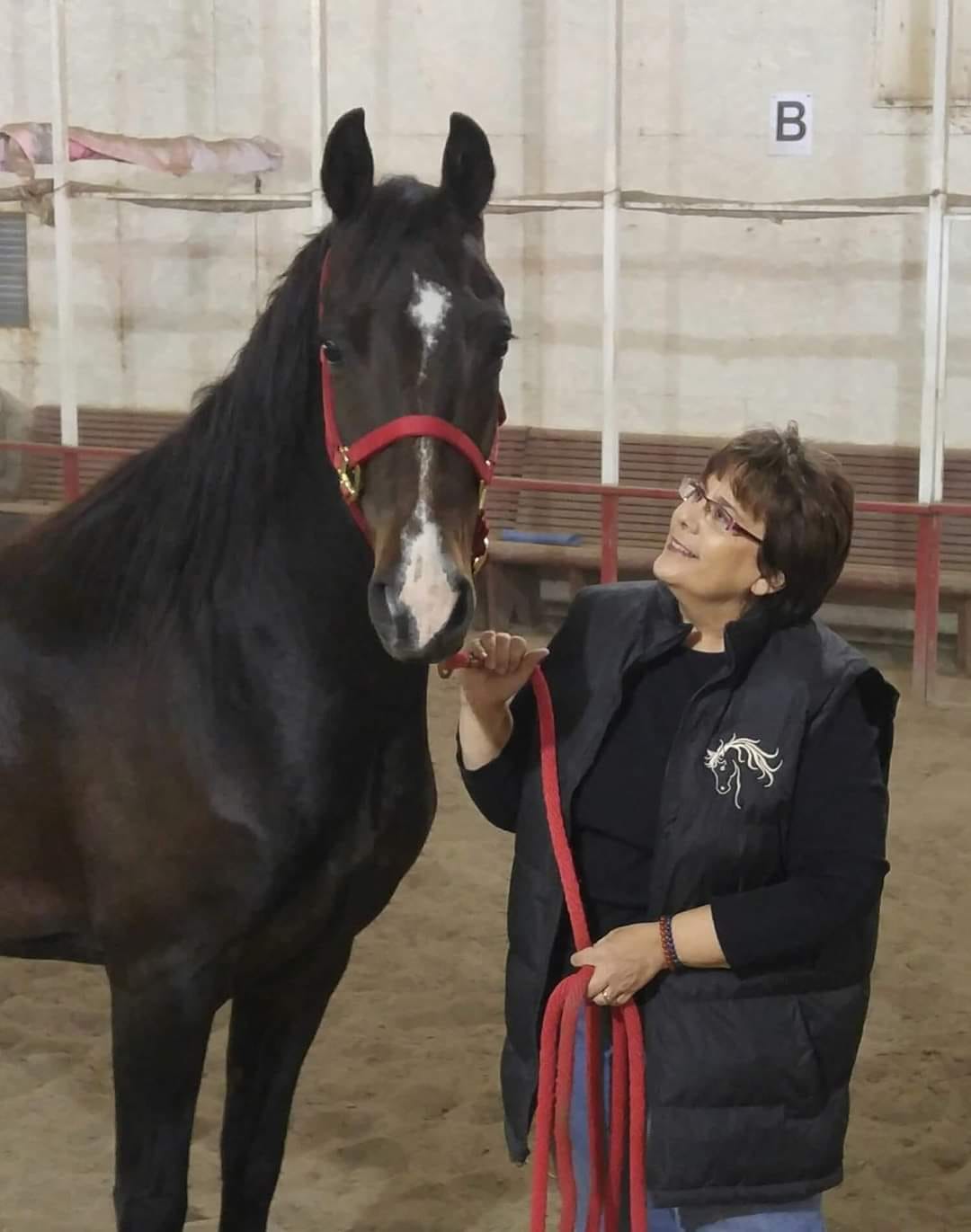
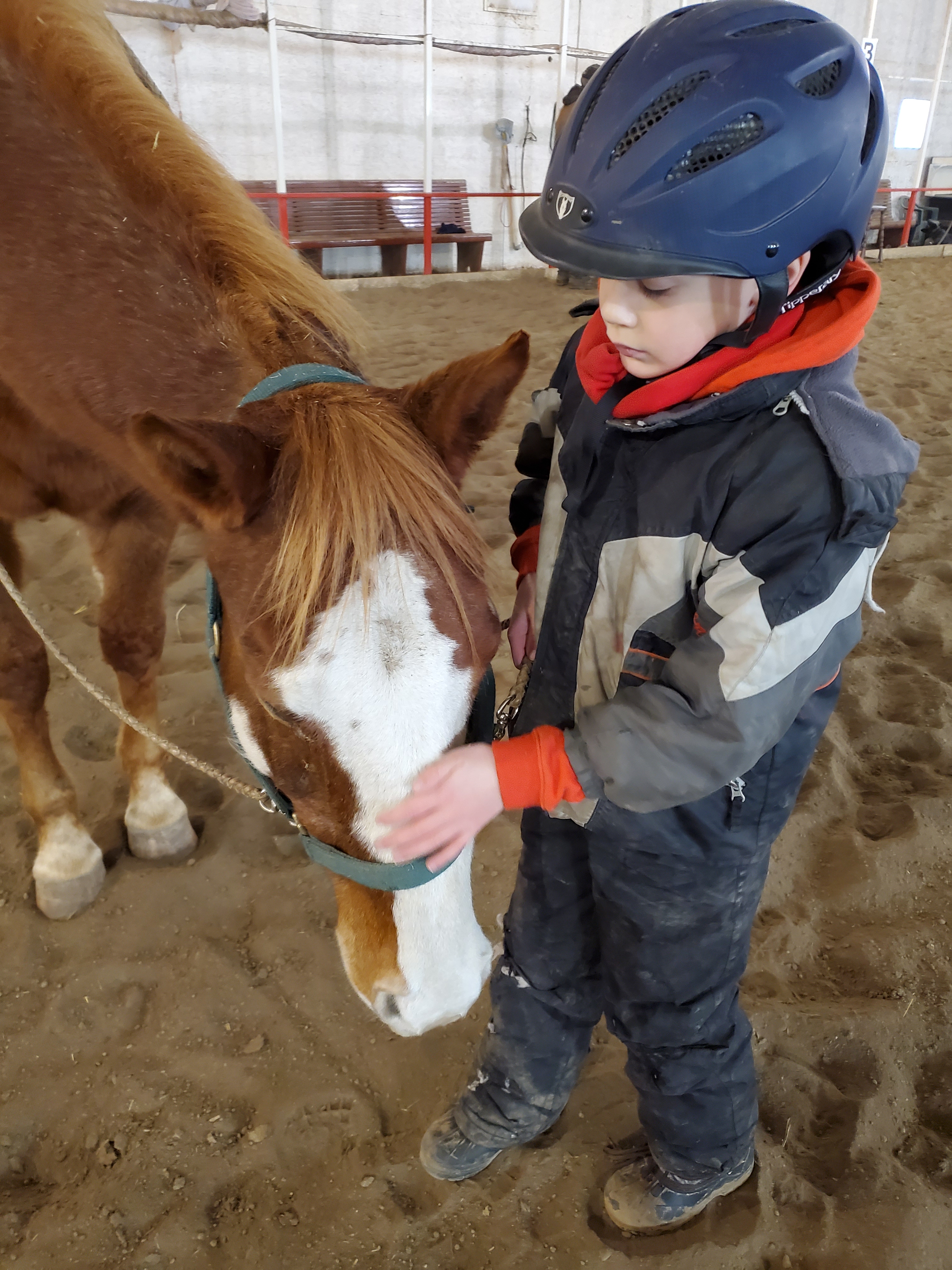
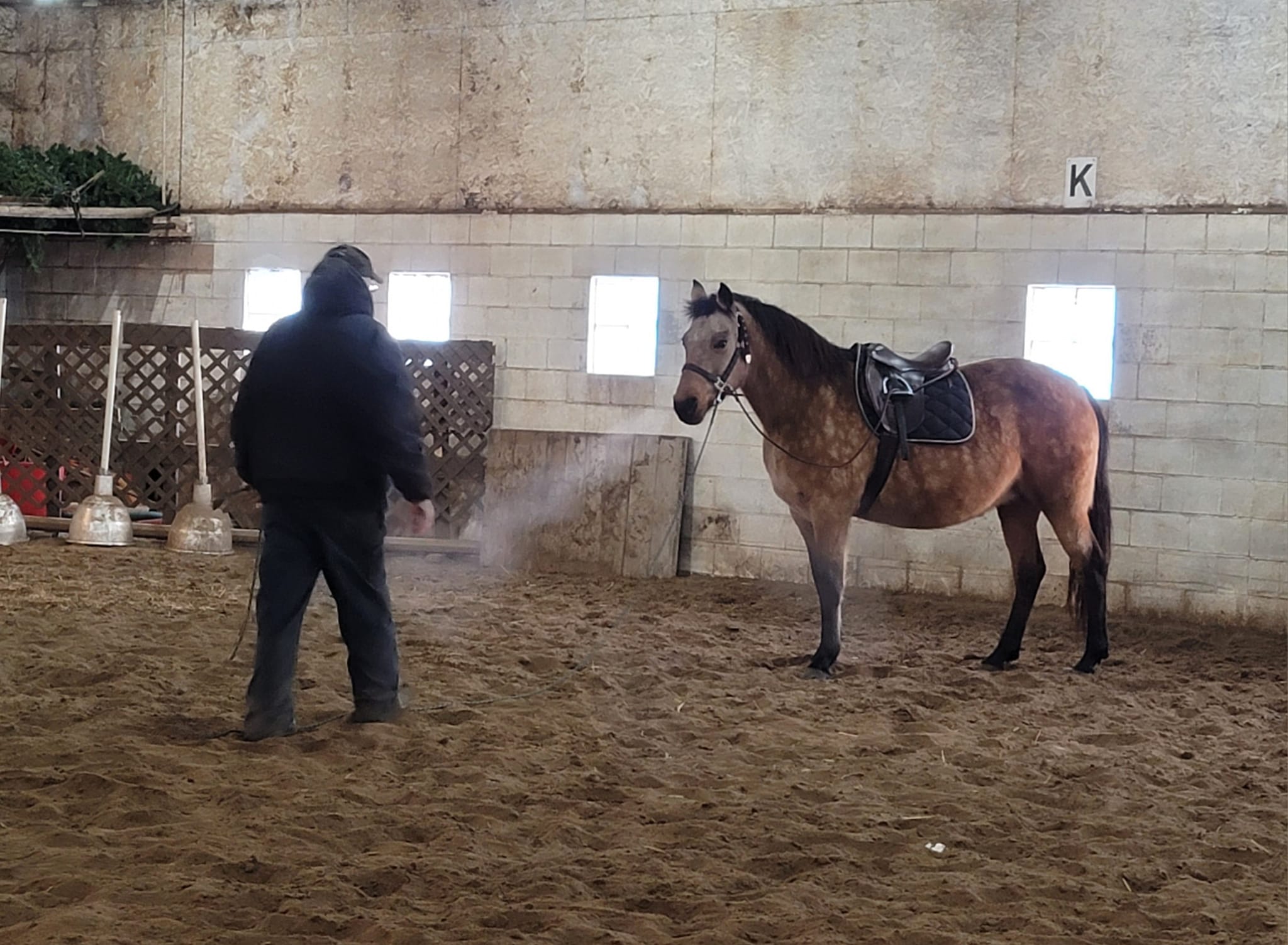
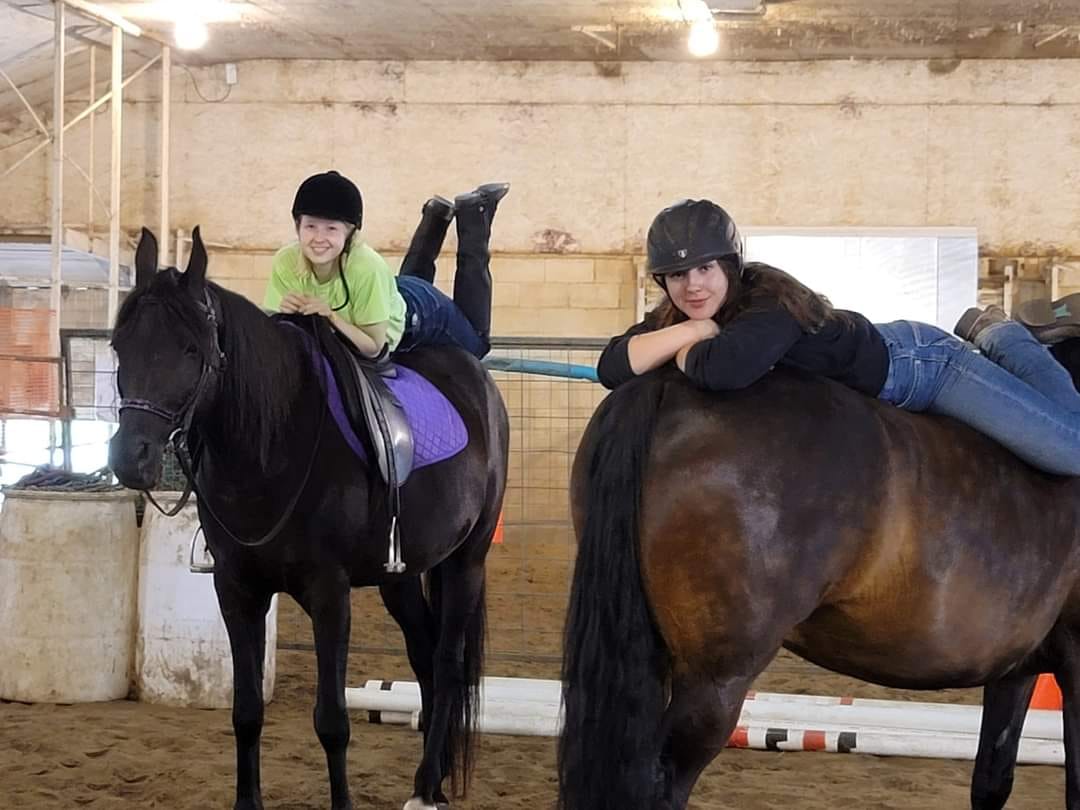
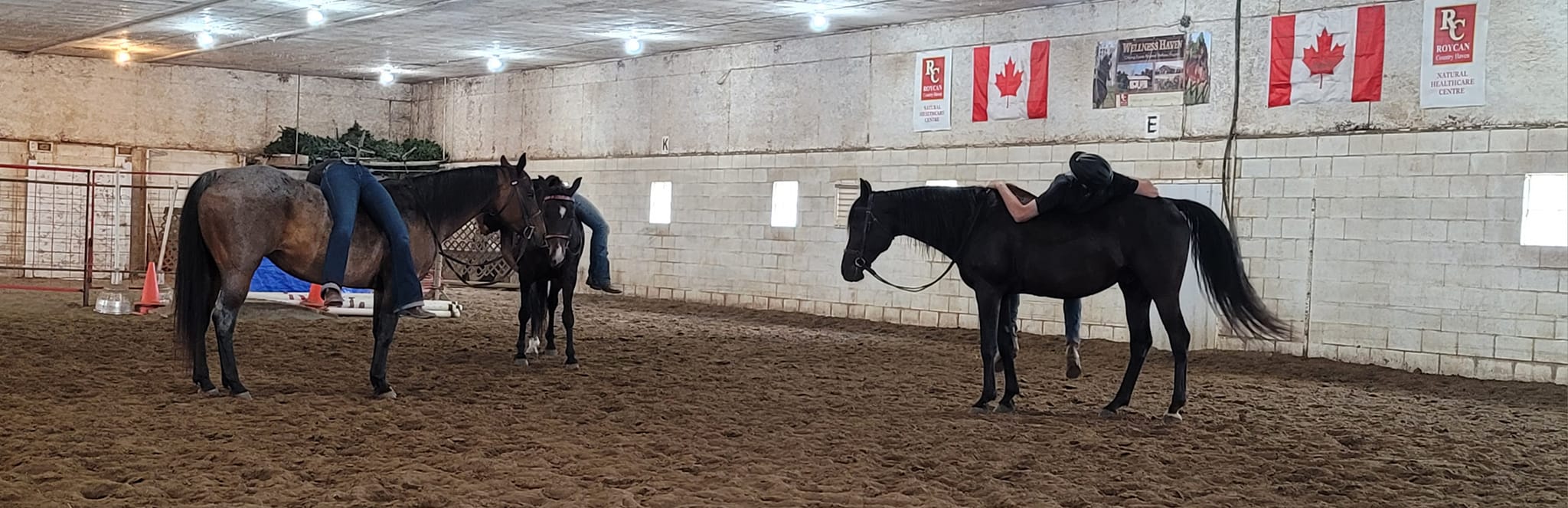
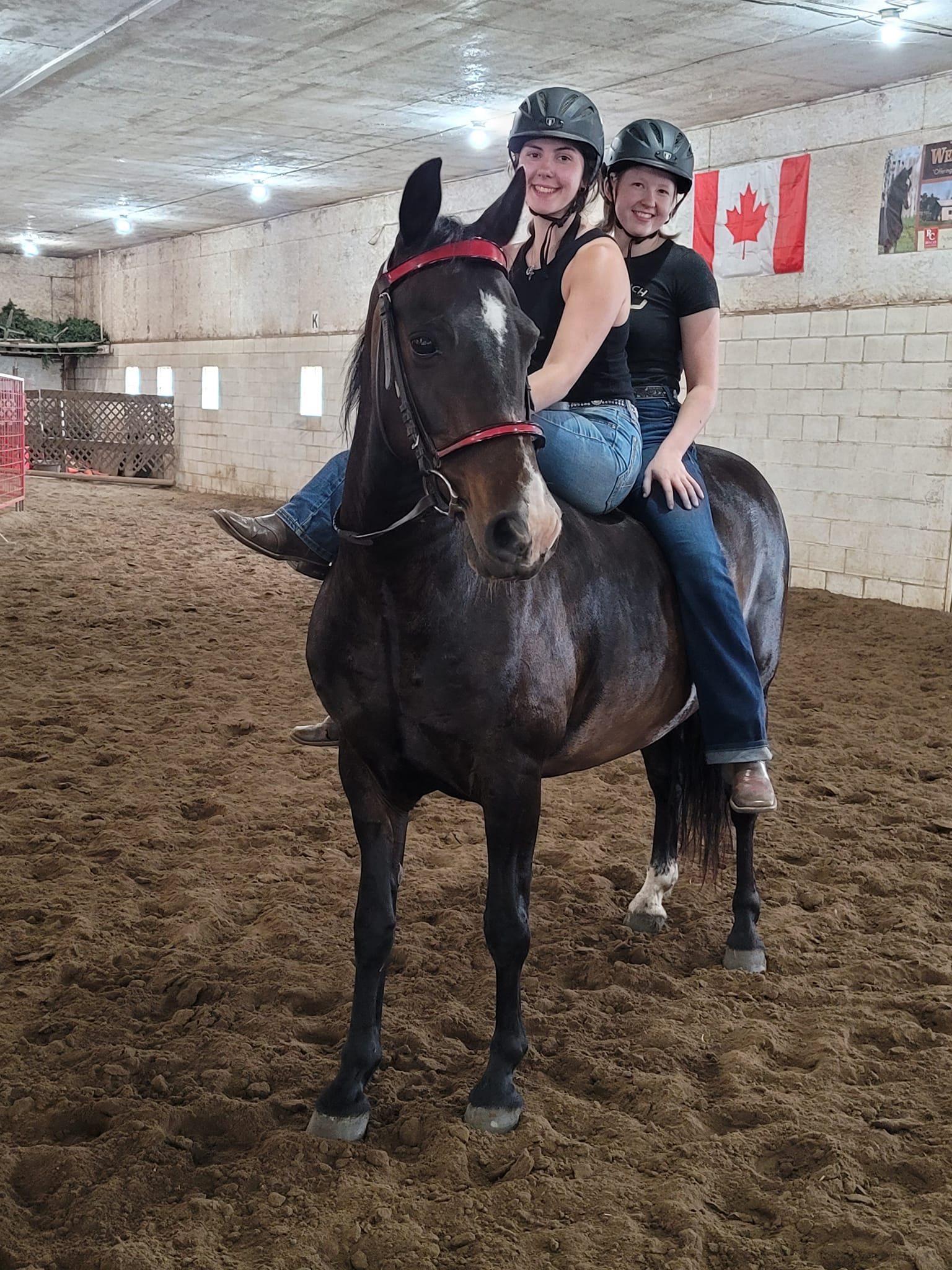
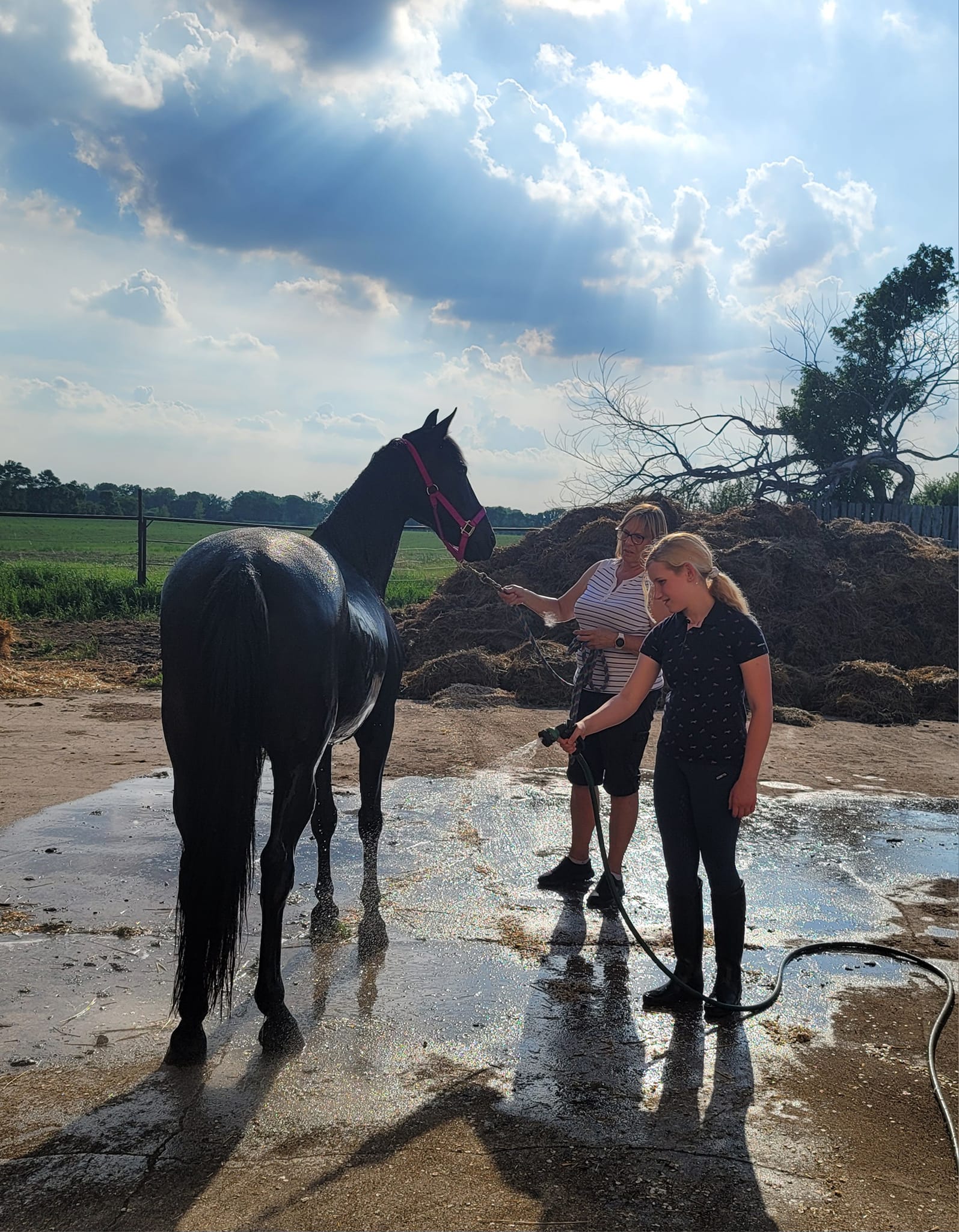
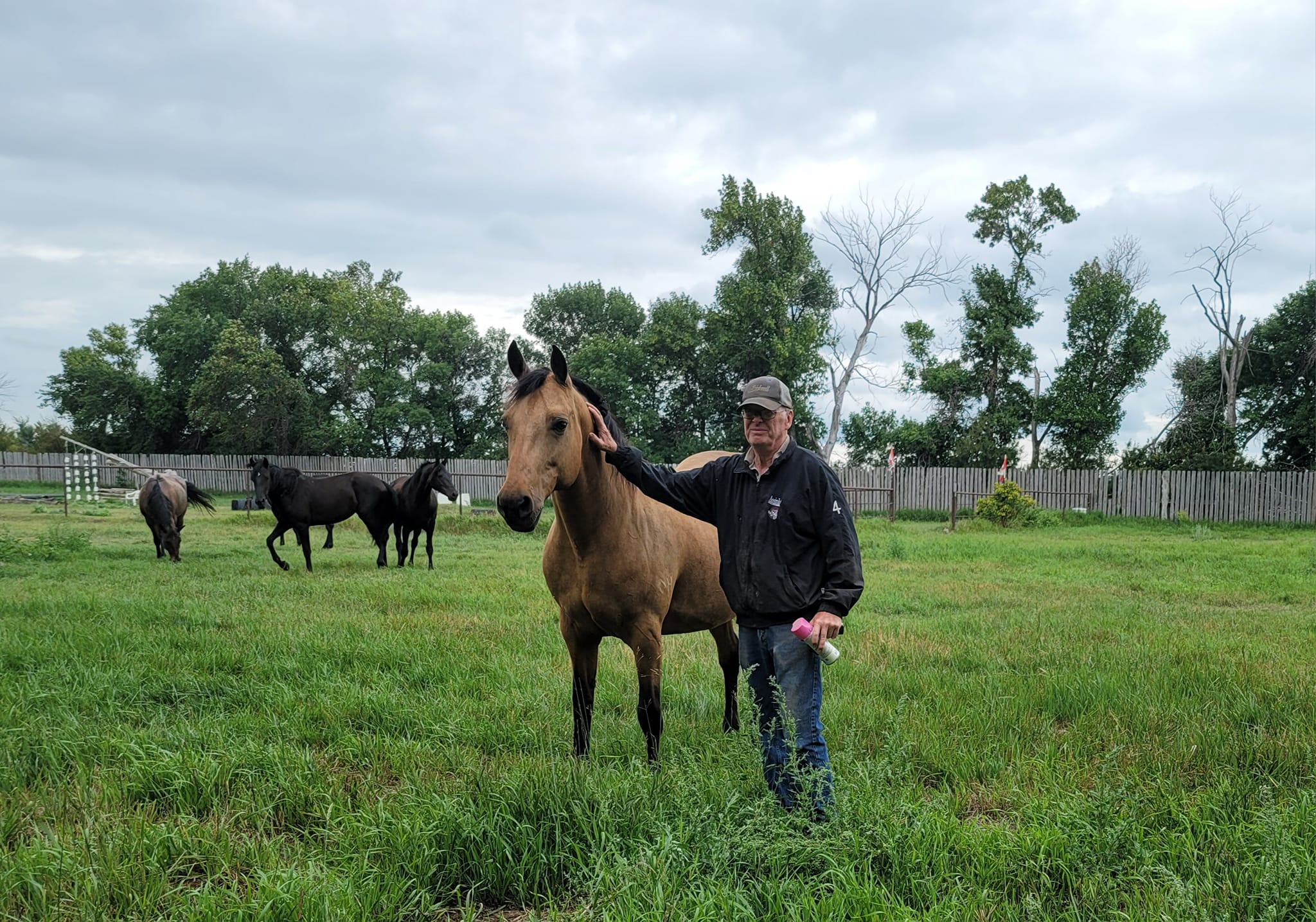
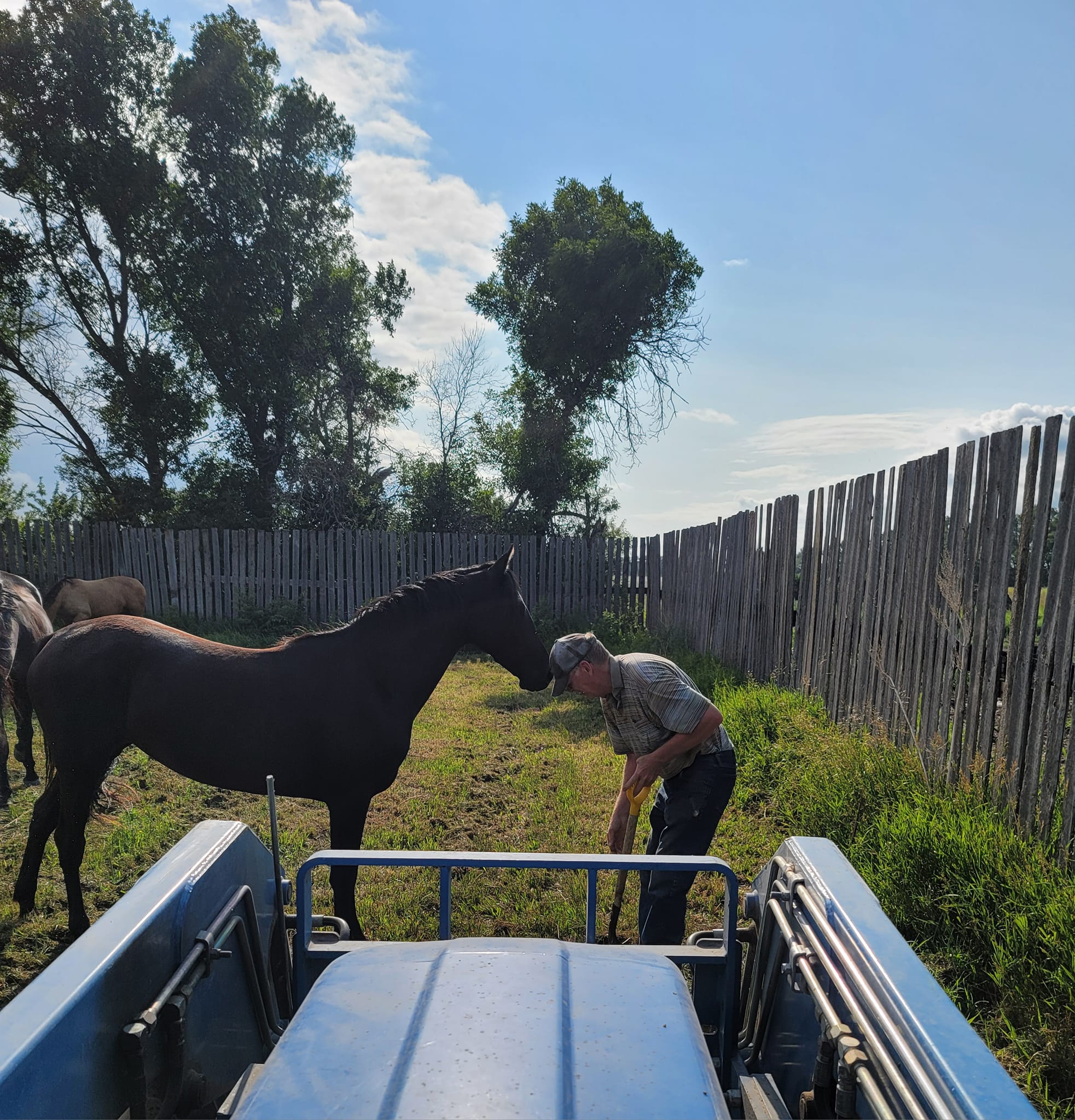
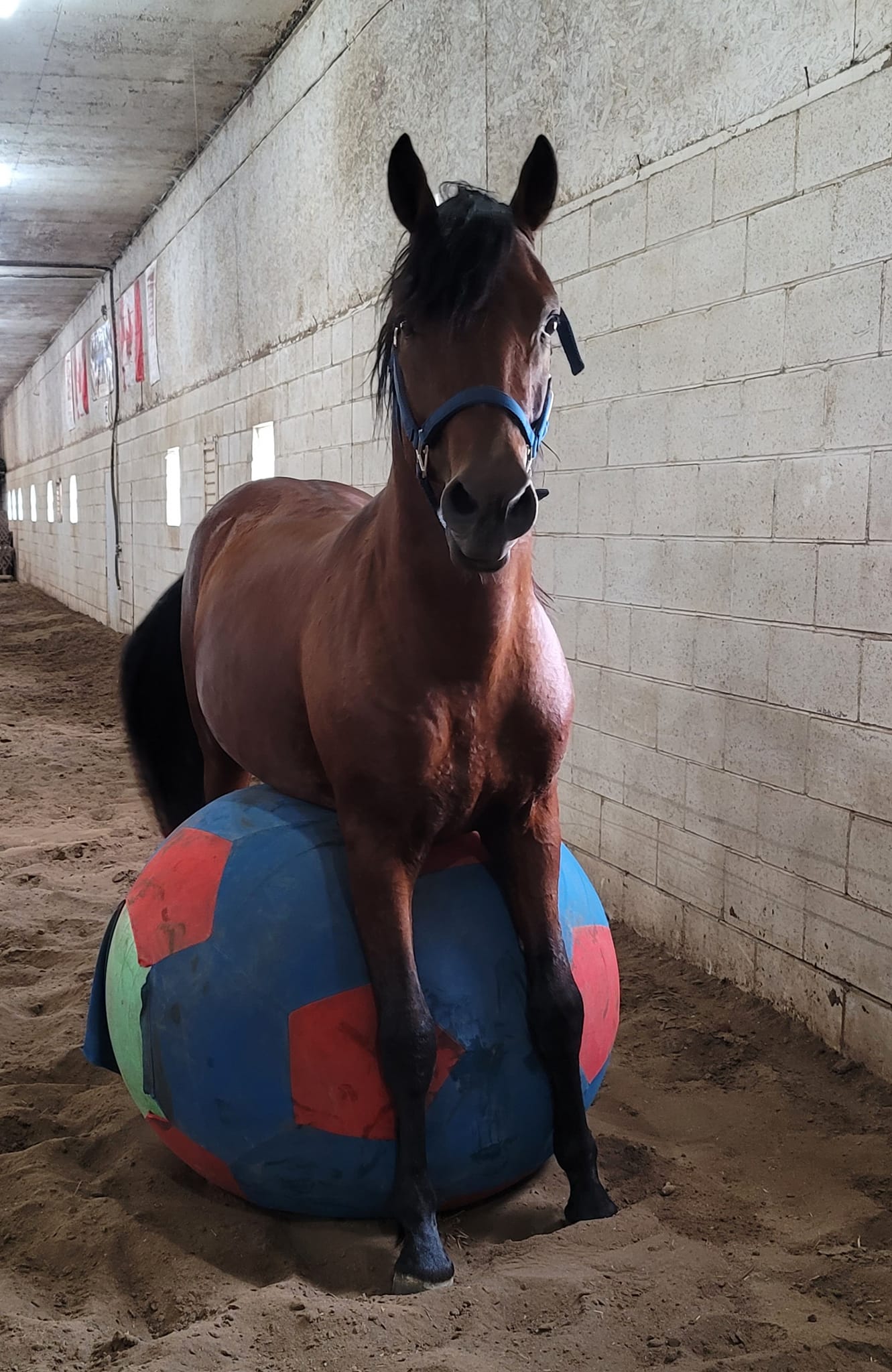
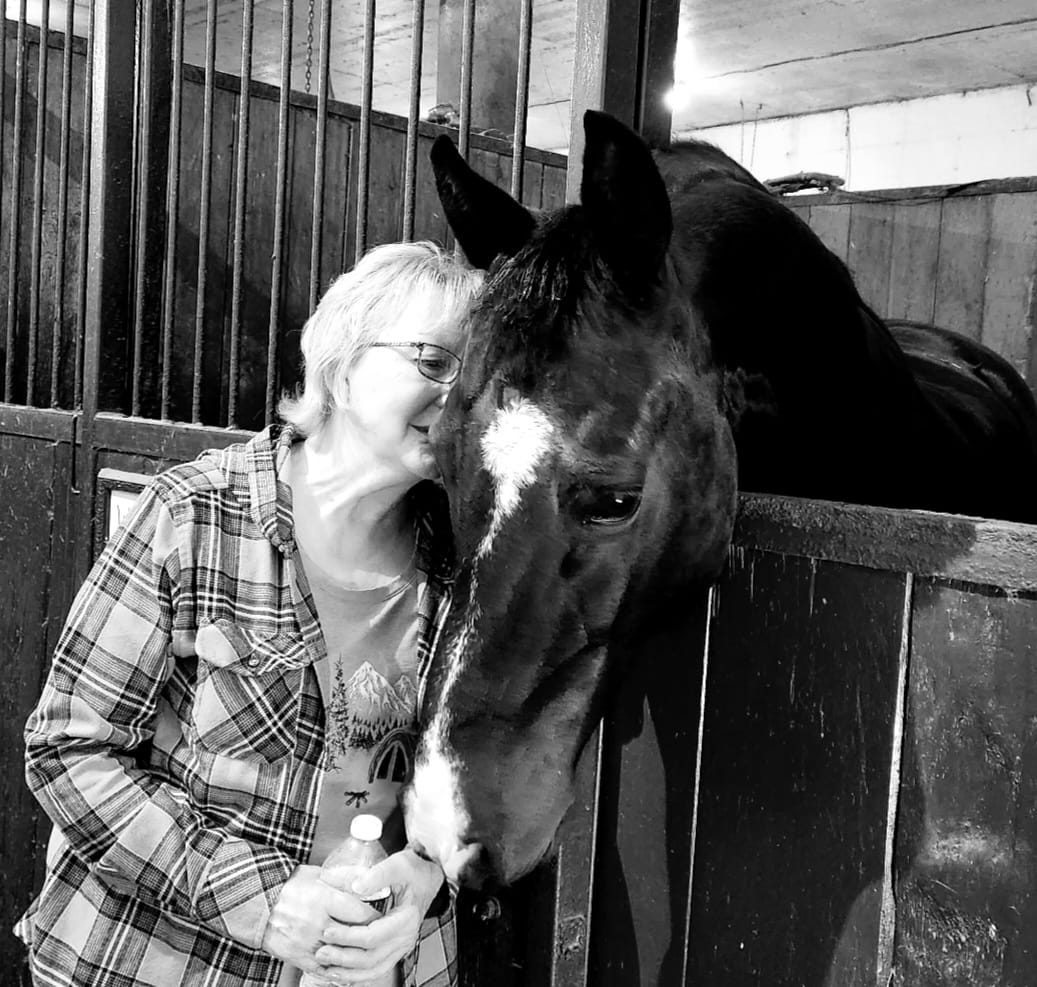
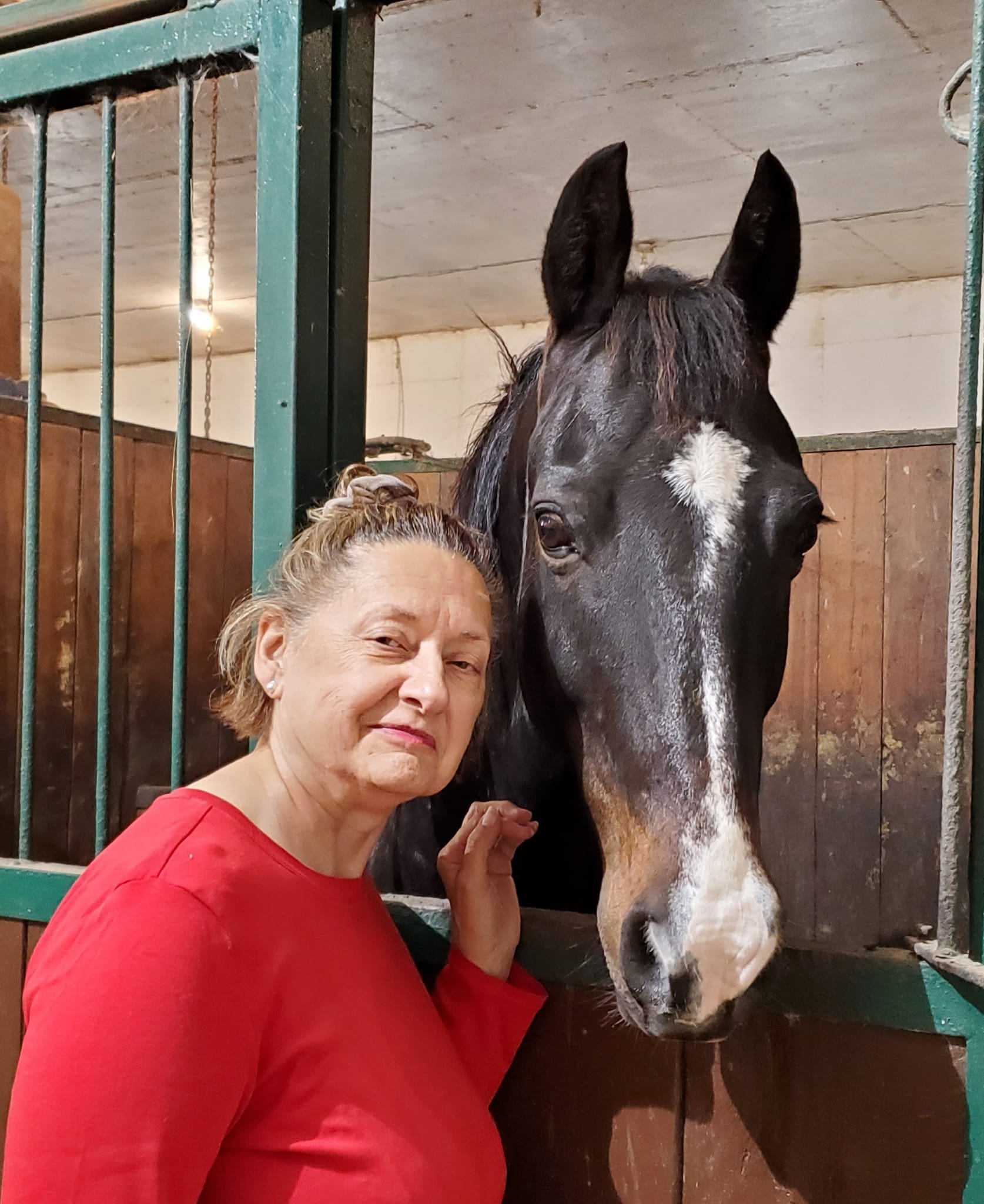
The professionals at Roycan’s Country Haven help you find relief. We provide a variety of exercises with the horses along with tools that can be used in your workplace. We can customize solutions that will work for individuals and groups. We will also customize our solutions to fit your profession or business.
Who is Affected by Vicarious Trauma?
Vicarious Trauma refers to the cumulative effect of trauma that someone’s story has on the helping listener. It is defined as indirect exposure to trauma through a first hand account or narrative of a traumatic event. It is underreported and widespread among the helping professions including: